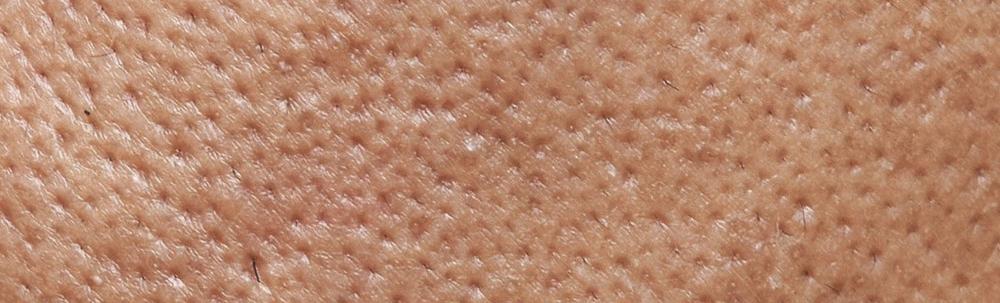
Do you have oily skin and are wondering why your skin becomes oily so quickly and how you can balance it? Then this article is for you! Has your skin been oily since puberty? Or has it only become visibly oily quickly after a certain time? The causes of this skin condition are varied, as are the ways in which you can help your skin to regain its balance. From personalized care for your oily skin to lots of tips on how to make your everyday life more skin-friendly.
Trigger for oily skin
We are born with our skin type. Whether your skin tends to be dry, oily or normal or whether you have combination skin is therefore genetically determined. The skin changes for the first time at the start of puberty. Why? Of course, because the hormones wake up and interfere more in our bodily processes! For example, the sebaceous glands are activated. Pores enlarge and where there are particularly many sebaceous glands, the skin becomes shinier and feels greasy. A mostly undesirable puberty glow, but quite normal! The annoying companions such as blackheads and pimples also often form on oily skin, especially along the T-zone, i.e. forehead, nose and chin, as well as on the décolleté and back. After puberty, when the hormonal chaos has settled down, the skin changes again. Ideally, it evens out, but shows a tendency towards the respective skin type. Then it becomes clear whether the oily skin will stay with you for longer or whether it will fade away at the end of your teenage years.
Characteristics of oily skin:
Shiny areas of skin, especially along the T-zone
Enlarged pores
The skin may look thick and pale
Tendency to form spots and blackheads
Predisposition alone is not everything. External and internal influences also have an impact on the appearance of your skin. For example, habits such as long, hot showers or aggressive cleansing products can cause dry patches of oily skin . But medication and hormones can also be a cause of oily skin .
Hormones as the cause of oily skin
Especially when there is an increased production of the male sex hormone androgen, the glands work diligently to produce sebum. Sometimes a little too diligently. The result: oily skin. Seborrhea is the overproduction of sebum, which is actually important for skin health. If there is also a cornification disorder, the skin tends to develop blemishes as the sebum cannot drain away and builds up in the pores. Certain bacteria love this environment. If they settle, an inflammation can develop - et voilà, a blackhead becomes a pimple. If, in addition to your oily skin, you also notice cycle irregularities and/or excessive hair growth to face or body, you should consider having hormone diagnostics and a comprehensive examination carried out to rule out and treat hormonal disorders such as PCO syndrome or a disorder of the adrenal cortex.
What is the connection between stress and oily skin ?
Taking a holistic approach to hormonal disorders or skin problems can be very helpful for long-term success. After all, body, mind and lifestyle go hand in hand. Many complex processes in our body are closely linked. Therefore, your life, your physical and mental health and - very importantly - your diet should also be taken into account. If only the symptom is treated with medication or cosmetic products, the problem is very likely to reappear without these remedies. So let's start researching the causes! Numerous studies have long proven that the psyche and body should not be considered separately. Body-Mind-Medicine, developed at the renowned Harvard University, is a method that is still relatively unknown in this country and incorporates disease-causing stress factors into the treatment plan. Stress, especially if it is chronic, causes stress hormones to be released and not sufficiently reduced. The skin is also affected by prolonged periods of stress: the hormone corticotropin, for example, influences the activity of the sebaceous glands and therefore also the oily skin. If you are stressed, so is your skin. A little excursion first: what happens in the body under stress? Let's take a look at our autonomic nervous system, where unconscious bodily functions such as breathing and heartbeat are regulated. While the sympathetic nervous system is activated in stressful situations and stress-related bodily functions are stimulated, the parasympathetic nervous system regulates the hormone balance when we relax and reduces the body's reactions. In concrete terms, this means that if you are under constant stress, your sebaceous glands are usually affected. So make a conscious effort to take time out and plan activities that calm you down and relax you. Simply be offline. This helps to reduce stress hormones and keep your unbalanced skin in balance. Did you know that just looking at greenery activates the part of the autonomic nervous system responsible for our relaxation? Even better, of course, is a walk through the park or forest to activate relaxation mode. Cuddling has also been proven to be relaxing. And most importantly: get enough sleep!
Are diet and lifestyle the cause of oily skin?
A lot has happened here. It has long been known that simple carbohydrates, for example from white flour products or sweets, cause blood sugar levels to rise rapidly. This releases a lot of insulin into the blood, which in turn boosts androgen production. And as you learned above, this stimulates the sebaceous glands - a cycle! If you have oily, greasy skin or acne, make sure your diet doesn't cause your blood sugar levels to skyrocket. Give preference to foods with a low glycemic load. These are for example
Nuts
Pulses
Vegetables
Wholemeal products
The right diet for oily skin can shrink sebaceous glands A low-glycemic diet can even shrink sebaceous glands and reduce inflammation of the skin, as researchers were able to find out in a study in 2012. It may also be good for your skin if you give up dairy products for a while. If your skin condition improves after a few weeks, cutting out dairy products could be a permanent option that your skin will be happy about. And another big plus: our planet, our dairy cows and male calves are also happy about every new plant-based fan. Incidentally, the good gut bacteria are also happy about a balanced diet with lots of unprocessed, plant-based foods and fiber.
The microbiome and the skin
While we're on the subject... The microbiome of the gut, i.e. the individual bacterial composition, is increasingly becoming our focus. This is where the majority of our immune cells are located. If the intestinal flora is out of balance, this can manifest itself in a variety of ways. Skin problems or very oily skin can also indicate a disturbed microbiome in the gut. In order to identify the intestinal flora as a possible cause of your oily skin , a stool examination must be carried out - and depending on the results, possibly a subsequent change in diet. Not all questions relating to the microbiome have been answered yet. However, it is assumed that the gut and skin communicate via the gut-brain-skin axis. The somewhat hackneyed-sounding "you are what you eat" is definitely not far-fetched when it comes to your health and your skin. On the contrary! Feed your microbiome plenty of fresh organic food every day so that the good bacteria don't atrophy and can work for you and your skin. If you are more interested in this topic, then take a look at our article: MICROBIOME - THE (ECO-)SYSTEMRELEVANT BALANCE OF YOUR BODY
Care for oily skin